
Seeing the risk: Vision, falls and frailty in older adults
Falls are the most common cause of hospitalisation in over-65s and poor vision can double the risk. However, vision remains the element most often missing when assessing falls risk. Randy Bains sets o...
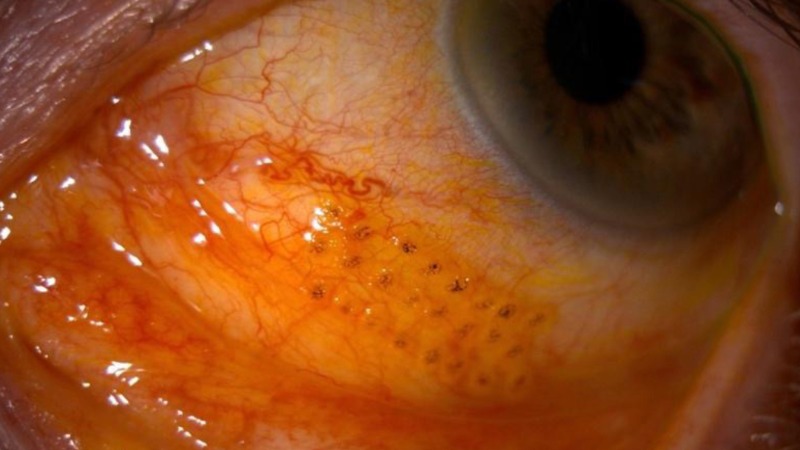
Conjunctivochalasis: When the conjunctiva loses its architecture
Sarah Farrant explores the often overlooked ocular condition of conjunctivochalasis, and the condition it is often mistaken for, limbal palpebral conjunctival folds...
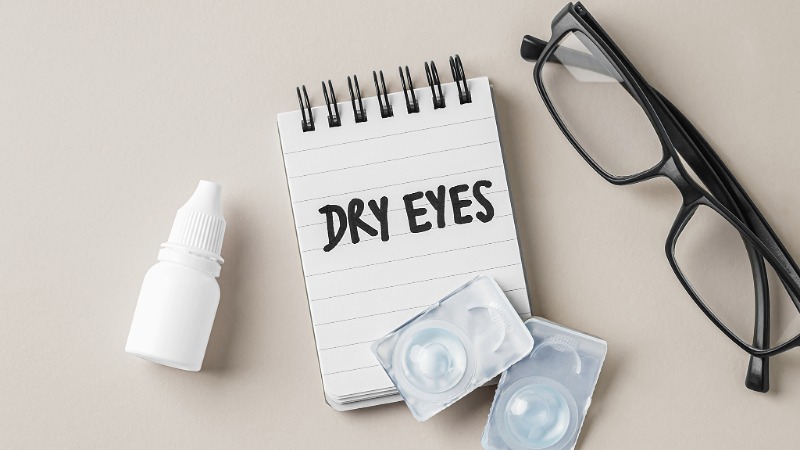
Clinical decision-making in contact lens-related dry eye: Management and review
In the third article in her clinical decision-making series, Baljit Sagoo examines how practitioners can use targeted interventions and review findings to refine dry eye management in contact lens wea...

OCT masterclass 10: Looking forward – the future for OCT
In this, the final edition of his OCT masterclass series, Jason Higginbotham looks at where and how ocular OCT is likely to develop in the future and how this might affect and improve the daily clinic...

Management of community-referred ophthalmic cases in a teleophthalmology outpatient clinic
Niraj Patel examines how optometrists are transforming outpatient care in ophthalmology through community-based eye care services and offers evidence of these improvements...

Binocular vision anomalies: what can I do in practice? Part 1 — Building the foundations
In the first part of this series Natalie Gibbings, Wasim Sarwar and Shamina Asif look into the intricacies of assessing and treating issues with binocular vision ...

Clinical decision-making in contact lens-related dry eye: Assessment and diagnosis
Dry eye symptoms are among the most common presentations in contact lens practice. In the second article in her series, Baljit Sagoo applies a clinical decision-making framework to help practitioners ...

Occluding contact lenses
Contact lens optician Graeme Stevenson reviews a case of a military veteran requiring a contact lens occluder...
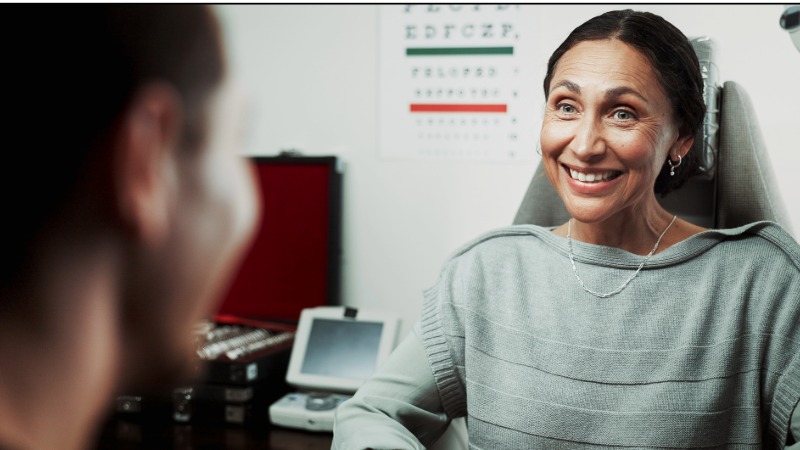
History and symptoms 1: The importance of non-verbal communication
Dr Amit Jinabhai explores the key components of non-verbal communication and how they play a role when taking a patient’s history and symptoms...

Getting more from the eye examination: What does this test really tell us?
In the first article of a new series Robert Lederman argues that routine clinical tests answer specific questions. The clinical significance of their findings only emerges when those findings are inte...

Ocular complications of aesthetic procedures
Dr Emma Green, in her first article for Optician, reviews the periocular anatomy, age-related anatomical changes and the mechanisms underlying ocular and periocular complications associated with non-s...

Visual fields 2: Arterial supply to the visual pathway and some associated visual field defects
Dr Amit N Jinabhai explores the complex blood supply that supports the visual pathway and the effects a compromised supply can have on eye health...